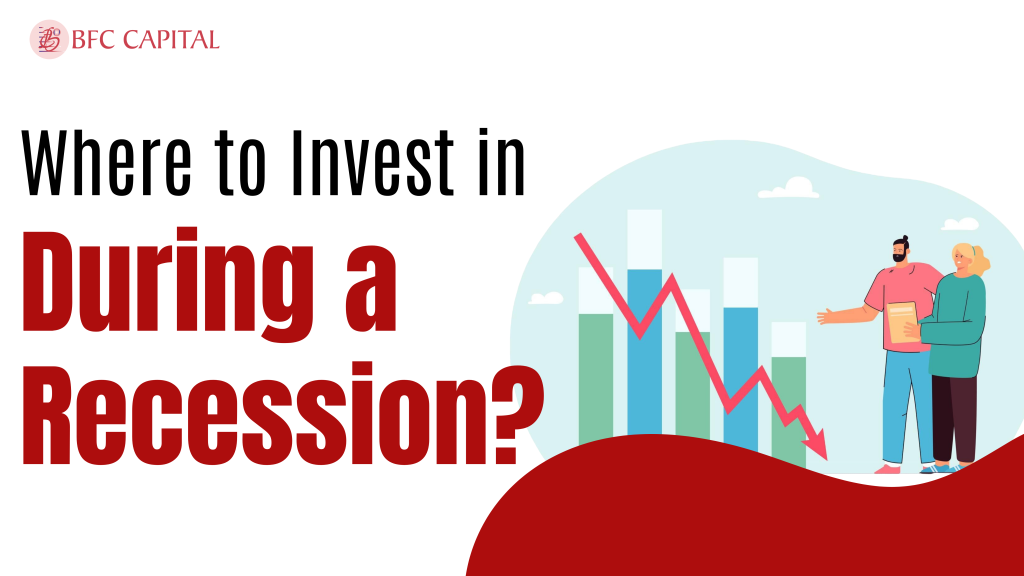
In undetermined economic times, when the global or country economies weaken, you would often come across the term “recession” and hear it frequently. To those individuals who don’t know the meaning of recession, it could be not very comforting for them while they plan to invest in India. To put it simply, a recession is a period of non-permanent downfall in the economy. During a recession, trade and industrial activities take the edge off and it is represented by a decline in the nation’s GDP in two in a row quarters or more.
But you won’t believe that investing in a recession in India can turn out to be a clever financial move. Even those who are beginners in the field of investment can begin their investment journey in a recession.
In this blog, we’ll discover the nuts and bolts of methods and techniques and where to invest in a recession in the Indian market.
Fundamentals of Recession
So, before we come to how to invest in a recession, let’s begin with the basics of a recession. What does recession in India signify?
Recession is a term used for determining a notable and stretched downfall in the economic activity of the nation. It is often categorized by a decrease in the Gross Domestic Product (GDP), unemployment, and minimized consumer spending in the country.
When this occurrence is witnessed across the globe, it is designated as a global recession. These economic declines could be a result of different factors, both internal and external. A recession adversely impacts the total health of the economy.
Investment Objective and Techniques while investing during a recession.
When you are preparing yourself to invest in a recession, your first step should be making a clear investment goal. You should have a proper understanding of what you want to achieve with investments in this period. Your objective will always decide your investment strategy. Whether you’re saving for:
- The long term
- A specific goal
- Trying to protect your money
You should always have a clear goal in mind!
Understanding And Managing How Much Risk You Can Handle
Indian markets could be inconstant, fluctuating a lot, mainly during a global recession. So, before you make any decision, it is important to analyze your risk tolerance capacity first. Also, make sure the decision you’re taking meets the investment strategy that you have opted for or not.
In these tough times, you must chew over, ” Hum much risk you can afford?” An essential aspect of investing in a recession in India is the risk management of both traders and investors. To minimize such risks, you must think about diversifying your portfolio across various asset classes.
Asset Allocation during a Recession
During a recession, the markets can be very unpredictable. To succeed, you need to carefully decide how to spread your investments across different types of assets, like stocks, bonds, and others. By diversifying your investments, you can lower the risk and make your portfolio less affected by sectors that are more vulnerable during a recession.
Investment Options in India
Now, it’s time to understand the particular investment options available in India for investors to invest during the recession. Let’s begin with the options accordingly:
- Stock Market: The Indian stock market provides investors with a great opportunity to invest in times of recession. Not all industries in an economy would experience a recession at a particular time. There is always a special case for the short-term trend.
Note: You can analyze and consider investing in premium companies and even the best penny stocks having strong financials. You can also think about investing in Mutual Funds like liquid, debt, or gold mutual funds to reduce the risk of your portfolio.
- Fixed-Income Investments: In unpredictable times of recession, government and corporate bonds can turn out to be a secure alternative to the stock market. These bonds provide constant interest payments. If these bonds are chosen and added to the portfolio after point-to-point research, they could provide stability to your portfolio in these periods.
- Valuable Metals: Investing in valuable metals like gold and silver is the most popular and old method. These instruments always turn out to be an excellent hedge against economic decline like a recession. The value of these assets either increases or remains constant during the time of recessions.
Key Considerations for Successful Investing
| Points | Explanation |
| Tax Implications | Understand how different investments affect your taxes. Some may have tax benefits, while others may lead to capital gains tax. Be aware of your tax liabilities. |
| Investing Psychology | Investing involves emotions as well as numbers. During tough times, like recessions, stay patient and avoid impulsive decisions. Remember the benefits of long-term growth. |
| Resources and Tools | Use online resources to learn about investing and find information. Many tools are available to help you understand the market and make good investment choices. |
Final Words
Investing or even starting to invest during a recession can be a smart financial decision, it is applied for beginners also. After learning the fundamentals, setting clear objectives, diversifying your portfolio in different assets, and believing in your strategy, you can successfully tackle the recession with ease.
You should also acknowledge that though making investments during a recession comes with risks, it also provides countless opportunities. You can benefit from the power of compounding and make smart choices to achieve your financial goals.
To learn more about mutual funds, contact us via Phone, WhatsApp, Email, or visit our Website. Additionally, you can download the Prodigy Pro app to start investing today!
Disclaimer – This article is for educational purposes only and by no means intends to substitute expert guidance. Mutual fund investments are subject to market risks. Please read the scheme-related document carefully before investing.