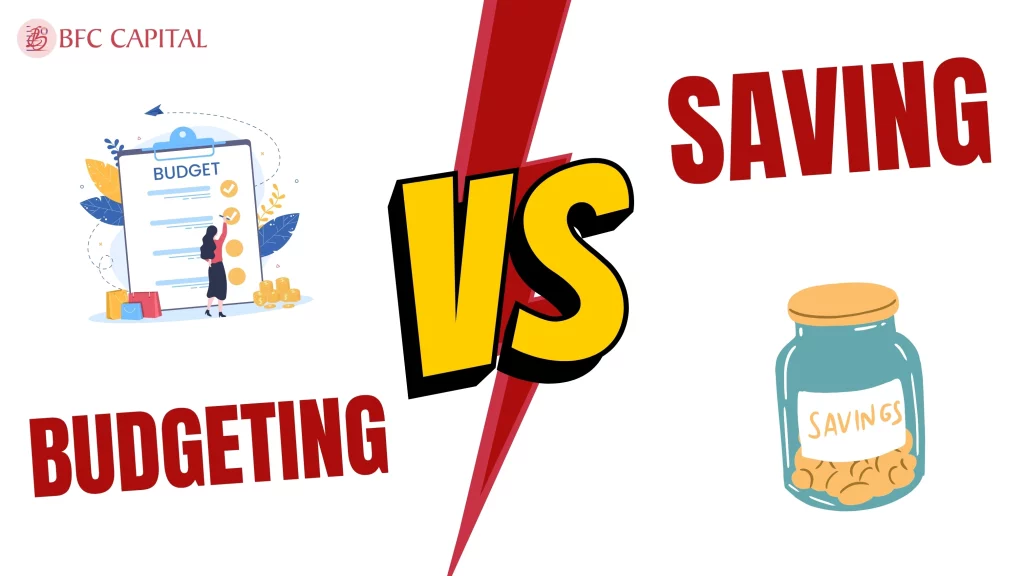
Budgeting and Saving
Managing money is such a huge burden sometimes. In such a setup where there are bills piling up, things to be bought, and unexpected expenses that come up, it is very easy to forget where your money went. Budgeting and saving help to overcome all those with good pillars of personal finance that form an important foundation for financial planning in getting both short-term needs and long-term dreams met.
This blog will walk the reader through what budgeting and saving really mean, how they are different from each other, and most importantly, way you can use practical strategies to have your money at your control. Whether you are a beginner in personal finance or want to build your money discipline, this guide will help a person take control of your money and become financially stable.
What Is Budgeting?
Budgeting is putting together plans on how to spend your money. It’s all about both income management as well as expense-tracking so that you stay within your limits working toward your financial goals. You see, you can think of a budget as a roadmap for your money. It tells your money where to go, as opposed to wondering where it went at the close of the month.
A simple budget plan includes:
- Your total monthly income
- All your fixed expenses (rent, bills, EMIs)
- Variable expenses (groceries, entertainment)
- Savings and investments
- Room for emergencies or unexpected costs
The goal of budgeting is financial control—knowing what’s coming in, what’s going out, and what’s left.
What Is Saving?
Savings constitute that part of an income that is postponed for later utilization. Saving is an empowering choice to determine how much of that budgeted money is instead kept aside for the future, whereas budgeting is involving the whole process of deciding how to spend money.
Savings are essential for:
- Building an emergency fund
- Reaching specific financial goals (like a vacation, wedding, or buying a car)
- Creating a financial cushion for job loss or medical emergencies
- Funding long-term investments or retirement
A good savings plan focuses on consistency—setting aside a fixed percentage of income every month, no matter what.
Difference Between Budgeting and Saving
Although budgeting and saving go hand-in-hand, they serve different purposes.
| Feature | Budgeting | Saving |
| Definition | Planning how to spend your income | Setting aside income for future use |
| Focus | Managing daily/monthly expenses | Building a financial reserve |
| Goal | Maintain financial control | Achieve financial goals |
| Tools | Budget plan, expense tracking | Savings account, FD, RD, SIP |
| Time Frame | Short-term (monthly) | Short & long-term |
| Outcome | Prevent overspending | Create financial stability |
Why Both Are Important for Personal Finance
You can’t save effectively without budgeting, and budgeting without saving leads nowhere. They’re a spine or back-to-back to strong financial planning.
- Budgeting makes you live within limits and not incur debt.
- Savings help prepare for the unforeseen aspects of life and complement future investments.
When you master both, you gain full financial control and peace of mind.
Benefits of Budgeting
- Helps control spending habits
- Reduces financial stress
- Ensures timely bill payments
- Improves decision-making
- Supports financial discipline
- Prevents debt accumulation
Benefits of Saving
- Provides security during emergencies
- Builds financial independence
- Supports goal-based planning
- Allows for future investments
- Helps manage life events (wedding, education, retirement)
Budgeting Strategies to Get You Started
- 50/30/20 Rule
- Spend 50% on needs (rent, groceries, bills)
- 30% on wants (eating out, shopping)
- Save or invest 20%
- Zero-Based Budget
- Assign every rupee a job so your income minus expenses equals zero
- Envelope System
- Use cash in labelled envelopes for different spending categories (groceries, fuel, entertainment)
- Pay Yourself First
- Save a fixed amount before spending on anything else
- Weekly Check-ins
- Review your budget plan every week to stay on track
Saving Strategies to Grow Your Money
- Set Specific Goals
- Have a target (e.g., ₹1 lakh for emergency fund, ₹50,000 for vacation)
- Automate Your Savings
- Set up automatic transfers to a savings account or recurring deposit
- Use Multiple Accounts
- One for daily spending, one for saving, and one for long-term goals
- Increase Savings When Income Grows
- Got a raise or bonus? Boost your savings percentage instead of increasing expenses
- Track Progress
- Use apps or spreadsheets to monitor how close you are to your goals
Creating an Emergency Fund: Your First Saving Goal
An emergency fund is a financial safety net for unexpected events like job loss, medical bills, or home repairs.
- Ideal amount: 3 to 6 months of living expenses
- Keep it in a high-interest savings account or liquid mutual fund
- Don’t touch it unless it’s a real emergency
An emergency fund is the first step toward financial stability—it ensures that you won’t dip into credit or high-interest loans when life surprises you.
How to Manage Income Wisely
Income management is all about prioritizing. Here’s how to allocate your monthly income smartly:
- 50–60%: Fixed expenses
- 10–15%: Savings
- 10–20%: Investments
- 10–15%: Discretionary spending
- 5–10%: Emergency or sinking fund
Use tools like budgeting apps, spreadsheets, or even simple notebooks for better visibility.
Tracking Expenses: Small Habits, Big Results
Expense tracking is the foundation of good money management. If you don’t know where your money is going, how can you control it?
Simple ways to track expenses:
- Use apps like Walnut, Money Manager, or your bank’s mobile app
- Keep receipts or maintain a digital diary
- Review your expenses weekly or monthly
The goal isn’t to judge yourself—it’s to identify patterns and areas to improve.
Tips to Build Financial Discipline
- Avoid impulse purchases—use the 24-hour rule
- Use debit cards more than credit cards
- Create a visual savings tracker
- Set monthly spending limits
- Unsubscribe from unnecessary services or subscriptions
- Sleep on big financial decisions
Once you develop financial discipline, you’ll feel more confident and in control.
How Budgeting and Saving Help You Achieve Financial Goals
Your financial goals might include:
- Buying a house
- Traveling
- Starting a business
- Paying off debt
- Retiring early
Budgeting helps allocate resources toward those goals, while saving helps accumulate the money required to reach them.
For example:
- Short-term goal (1–2 years): Save for a vacation or emergency fund
- Medium-term goal (3–5 years): Save for a car or a child’s education
- Long-term goal (5+ years): Invest for retirement or property
Your budget plan and savings plan should be aligned with your goals.
Common Budgeting and Saving Mistakes to Avoid
- Not tracking expenses
- Underestimating lifestyle inflation
- Forgetting irregular expenses (gifts, festivals, insurance premiums)
- Treating savings as optional
- Not adjusting your budget when income changes
- Ignoring your spouse or partner’s input (if applicable)
Avoiding these annoying mistakes will save and keep your financial planning on track.
Also, Check – Stock SIP vs Mutual Fund SIP
Conclusion
Budget and save; they are not only tasks of money; they are life skills. By mastering them, you not only make wealth but also build confidence, freedom, and security. A proper budget plan and a savings plan can change the lives of many-as it can enable them to achieve financial goals, improve spending habits, or simply help them gain more control over finances.
Start small. Stay consistent. And remember—every rupee saved and every budget followed is a step toward financial freedom.
Please share your thoughts on this post by leaving a reply in the comments section. Contact us via phone, WhatsApp, or email to learn more about mutual funds, or visit our website. Alternatively, you can download the Prodigy Pro app to start investing today!
Disclaimer – This article is for educational purposes only and does not intend to substitute expert guidance. Mutual fund investments are subject to market risks. Please read the scheme-related document carefully before investing.