CIBIL Score
Hey there!
If you’ve ever even thought about taking a loan—whether for a home, car, education, or even a credit card—you’ve probably heard the term “CIBIL Score” tossed around like it’s the magic number that decides your financial destiny.
Well, that’s because it kind of is.
In this post, we’ll break down what a CIBIL score really is, why banks care about it more than your salary slips, and how it affects your ability to get a loan—not in finance-speak, but in everyday, real-life terms.
So, What Exactly Is a CIBIL Score?
Let’s keep it simple:
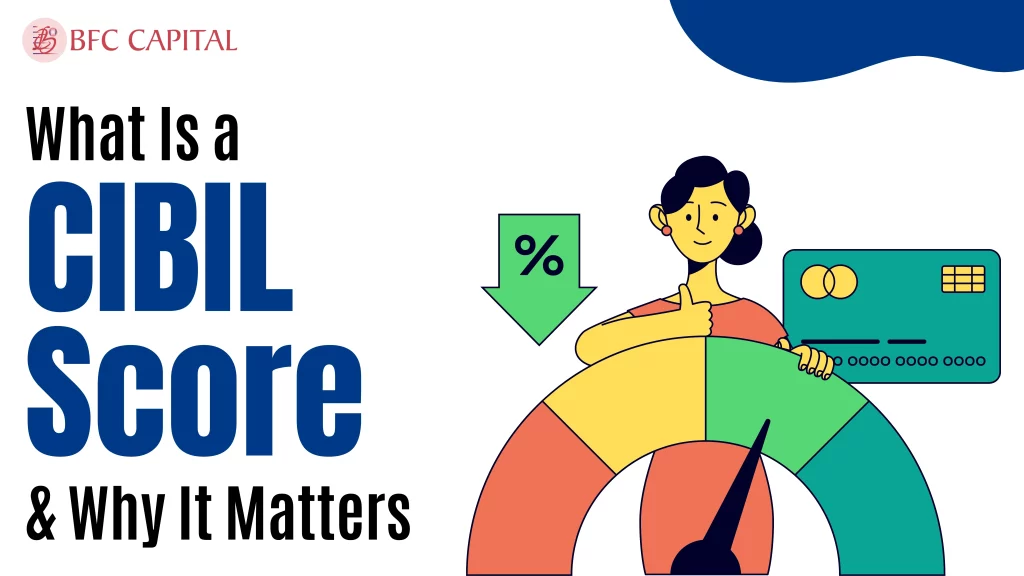
A CIBIL score is a three-digit number that reflects your credit history—basically, how good you’ve been with repaying loans and credit cards in the past.
It ranges from 300 to 900.
- A score closer to 300? Not good.
- A score closer to 900? Amazing.
CIBIL stands for Credit Information Bureau (India) Limited. And no, it’s not a government body, it’s a private organisation that maintains credit records of millions of people across India.
Any time you take a loan or use a credit card, your repayment behaviour gets tracked here. And when you go to a bank asking for a loan? This is the first place they check before saying yes.
But Why Do Banks Even Care About This?
Good question.
Think of it this way—when you apply for a loan, you submit documents like your Aadhaar, PAN card, ITR, salary slips, etc. These tell the bank about your history, your financial position.
But the bank also wants to know about your intentions, your financial intentions.
Because let’s be honest: anyone can show a high salary, but not everyone is responsible with their money. Some people default, delay, or disappear.
Your CIBIL score is how the bank figures out your money habits and repayment behaviour.
What Does a CIBIL Score Say?
It gives lenders a quick summary of:
- How many loans have you taken in the past
- How timely you’ve been with your repayments
- If you’ve defaulted or delayed payments
- What kind of loans have you taken (secured vs. unsecured)
The bank uses this information to decide:
“Should we trust this person with our money?”
Because, in 2024, people don’t even lend ₹50 without asking 10 questions—so why would a bank give ₹20 lakhs without checking?
So, What’s Considered a “Good” CIBIL Score?
Let’s decode it:
- 300–599: Very poor. You’re unlikely to get any loan easily.
- 600–749: Average. Maybe you’ll get some loans, but with high interest.
- 750 and above: Good. Most banks will happily lend to you.
- 850–900: Excellent. You’ll get loans faster, and at lower interest.
So if you’re somewhere near 750+, that’s your sweet spot.
Types of Loans and the Score You Need
There are two types of loans:
- Secured loans – like home or car loans where you keep something as collateral. For this, even 650+ might work.
- Unsecured loans – like personal loans or credit cards. Here, you definitely need 750+, because there’s no asset for the bank to claim if you don’t repay.
In unsecured loans, your trustworthiness is everything—and your CIBIL score is your proof.
What Affects Your CIBIL Score?
Your score isn’t random—it’s based on a few major factors:
1. Repayment History
Have you paid your EMIs and credit card bills on time? Or are you suddenly remembering after due date.
2. Credit Mix
Do you only take unsecured loans like credit cards and personal loans? That’s a red flag. A good mix of secured and unsecured loans shows maturity.
3. Credit Limit Usage
Ever heard the phrase “just because you can, doesn’t mean you should”?
If you have a ₹12 lakh credit limit but are always maxing it out, that could hurt your score. Banks want to see responsible usage—ideally under 30–40% of your limit.
4. Too Many Loans at Once
If you’ve recently applied for 4–5 loans together, it might seem like you’re in financial trouble, and that’ll lower your score.
5. Your Connections
Yes, believe it or not—if you’re legally tied to someone (like co-signing or being a guarantor) who defaulted on a loan, your CIBIL score can also suffer. Choose your financial relationships wisely.
What If You’ve Never Taken a Loan?
If you’re completely new to credit—never taken a loan or used a credit card—your CIBIL score might be -1 or 0.
That just means you don’t have any credit history yet. It’s not bad… but it’s also not helpful if you plan to take loans in the future.
So it’s a smart move to start building your credit profile early—maybe with a low-limit credit card or a small personal loan, paid back on time.
How Can You Check Your CIBIL Score?
Very simple.
There are multiple apps and websites today (like Paytm, CRED, BankBazaar, and the official CIBIL site) where you can check your credit score for free.
You’ll need to enter:
- Your PAN number
- First and last name
- Email ID
- Phone number
And you’ll get your score within seconds.
Suggestion
Make it a habit to check your CIBIL score once a year. It helps you track your credit health and spot any red flags before they become problems.
Also, check – CIBIL Score Vs Credit Score
Final Thoughts: Why This Matters for You
Your CIBIL score isn’t just a number—it’s your financial passport.
You never know when you’ll need a loan: to start a business, buy a home, pay for education, or even face an emergency. And when that day comes, a good credit score can mean the difference between a “yes” and a hard “no”—or worse, a very expensive yes.
So be proactive.
Build your score.
Check it regularly.
And keep it strong.
If you want help checking your score or improving it, just drop us a comment—we’re here for you.
And if this article helped clear up what CIBIL is all about, feel free to share it with your friends or family. After all, good credit is something everyone should understand.
Please share your thoughts on this post by leaving a reply in the comments section. Contact us via phone, WhatsApp, or email to learn more about mutual funds, or visit our website. Alternatively, you can download the Prodigy Pro app to start investing today!
Disclaimer: This article is for educational purposes only and does not intend to substitute expert guidance. Mutual fund investments are subject to market risks. Please read the scheme-related document carefully before investing.