Car Insurance
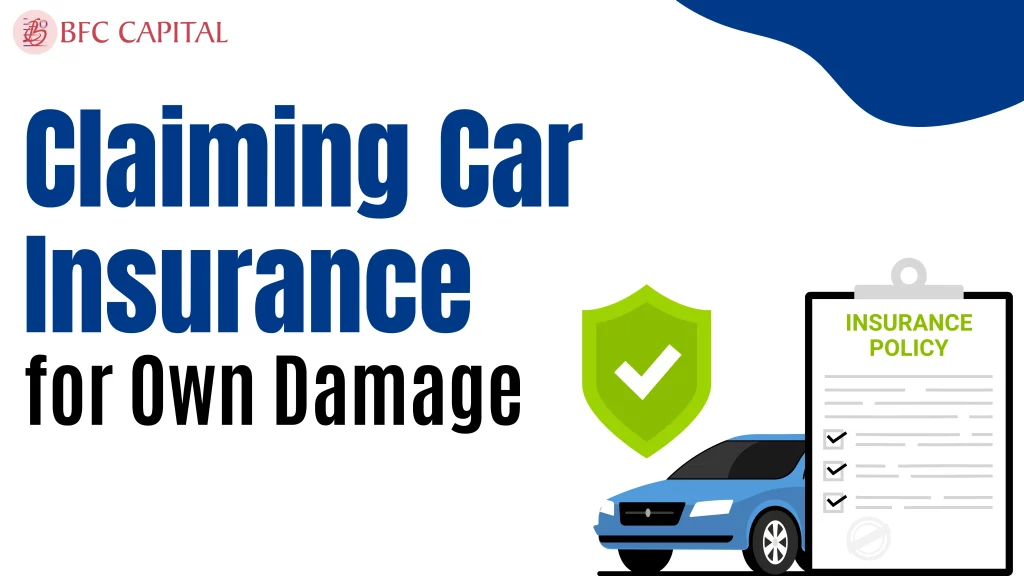
We recommend checking your own experiences with car accidents: they do happen to others and sometimes even through no fault of their own. A scratch or a major accident is put into perspective with a basic idea of how to tackle the claims process, saving grace for the driver who wants less tension, less money out of pocket, and no further confusion. This blog serves as the ultimate guide for you to navigate the entire procedure for dealing with own-damage claims, from the initiation of a car insurance claim to the final settlement. Included will be specifics such as documents required for car insurance claims, surveyors’ inspections, timelines, and common reasons for rejection.
So let us get set to make you a pro at handling any bump in the road.
What is an Own Damage Car Insurance Claim?
Under your motor own damage insurance policy, a claim qualifies as an own damage claim when you file this claim against your insurer for damage to your vehicle due to accidents, fires, thefts, vandalism, or even natural calamities.
You can raise your own damage claim if you have:
- Comprehensive car insurance
- Standalone own damage insurance policy
Third-party insurance won’t cover your car’s damage—only damages caused to others.
Understanding the Car Insurance Claim Process
Let’s break down the steps:
Step 1: Notify Your Insurer
- Call or email your insurer immediately after the incident.
- Provide basic details about the accident (location, time, nature of damage).
Step 2: File the Claim
- Complete the claiming insurance for car damage form online or offline.
- Share preliminary information: vehicle number, policy number, date/time of incident.
Step 3: Car Insurance Surveyor Inspection
- The insurance company assigns a surveyor to assess the damage.
- The surveyor inspects the car, verifies documents, and estimates repair costs.
Step 4: Repair the Car
- Choose either a cashless garage for a cashless claiming insurance for car damage or any other garage for reimbursement.
Step 5: Claim Settlement
- After verification, the insurer settles the bill directly (cashless) or reimburses you based on repair bills and policy terms.
Filing Claiming Insurance For Car Damage: Important Documents
You’ll need to submit the following car insurance claim documents:
- Copy of your car insurance policy
- Copy of vehicle registration certificate (RC)
- Copy of your driving license
- First Information Report (FIR), if required.
Note – (An FIR is typically required in cases of theft, major accidents involving third parties, or significant damages. For minor damages or single-vehicle accidents without injuries, an FIR may not be necessary.)
- Filled claim form
- Estimate of repair cost from the garage
- Repair bills and receipts (for reimbursement claims)
- Photographs of the damage
Always keep scanned copies handy for quicker submission.
Cashless vs Reimbursement Car Insurance Claim
Cashless Car Insurance Claim:
- Get your car repaired at a network garage tied up with your insurer.
- The insurer directly settles the bill (you may pay for deductibles or non-covered expenses).
Reimbursement Car Insurance Claim:
- Get your car repaired at any garage.
- Pay out of pocket first, then submit bills to get reimbursed.
Both methods are part of their own damage claim procedure, and you can choose depending on convenience and network availability.
Claiming Insurance For Car Damage Timeline: How Long Does It Take?
- Claim Intimation: Within 24–48 hours of the incident
- Surveyor Inspection: Within 1–3 days
(Note – Do not move or repair the vehicle until the surveyor has completed the inspection, as unauthorized repairs may lead to claim rejection.)
- Approval for Repairs: Within 2–5 days post-survey
- Repair Time: Varies depending on the damage
- Final Claim Settlement: 7–30 days after document submission and approval
Pro Tip: Always file claims quickly. Delays can complicate your car accident insurance claim.
Car Insurance Claim Tips: Do’s and Don’ts
Do’s:
- Inform the insurer immediately.
- Take clear photos of the damage.
- Collect witnesses’ details if available.
- Read your policy terms carefully.
- Keep a record of all communications.
Don’ts:
- Start repairs without surveyor inspection.
- Provide false information.
- Ignore small damages—they can worsen over time.
These simple car insurance claim tips can make the whole experience smoother.
Claiming Insurance For Car Damage for Minor Damages vs Major Damages
Minor Damages:
- Scratches, small dents, broken mirrors.
- If the repair cost is less than the deductible, it might be better not to claim to preserve your no-claim bonus (NCB).
Major Damages:
- Severe collisions, broken windshields, multiple dents, and mechanical failures.
- Filing a claim makes sense here to avoid heavy out-of-pocket expenses.
Evaluate repair costs before deciding whether to claim.
Car Insurance Claim Without FIR vs. With FIR
When is FIR Not Needed?
- Minor accidents with no injuries
- Damages restricted to your own car
- Single-vehicle accidents (scraping a wall, pothole damage)
When is FIR Needed?
- Major accidents involving third-party injuries
- Theft, vandalism, fire
- Natural disasters cause heavy damage
A claiming insurance for car damage claim for theft, vandalism, or fire damage usually requires an FIR for legal and insurance formalities.
Special Scenarios for Filing Car Insurance Claims
- Car Insurance Claim for Theft
- File an FIR immediately.
- Inform the insurer.
- Submit the non-traceable certificate from the police.
- If approved, the insurer pays the Insured Declared Value (IDV) after adjusting deductibles.
- File an FIR immediately.
- Car Insurance Claim for Natural Disasters
- Covers damage due to floods, earthquakes, storms, etc.
- Take photos and videos as proof before moving the car.
- Covers damage due to floods, earthquakes, storms, etc.
- Car Insurance Claim for Fire Damage
- Covers accidental fire, explosion, or lightning strikes.
- Not covered if caused by illegal modifications.
- Covers accidental fire, explosion, or lightning strikes.
- Car Insurance Claim for Vandalism
- Covers damage from riots, protests, or intentional acts.
- FIR and surveyor inspection mandatory.
- Covers damage from riots, protests, or intentional acts.
Different situations require different supporting documents and careful handling during the claiming insurance for car damage process.
Claim Settlement: What Happens After You File?
- After document verification and surveyor approval, the insurer processes the claim.
- In cashless claims, bills are settled directly with the garage.
- In reimbursement claims, you get reimbursed after submitting repair bills.
Insurers aim for a seamless claiming insurance for car damage settlement, but missing documents or wrong information can cause delays.
Claim Rejection Reasons: Why Claims Get Denied
- Delay in intimation
- Driving without a valid license
- Driving under the influence (alcohol/drugs)
- Non-disclosure of full details
- Repairing the car without informing the insurer
- Policy lapsed (non-renewed)
- Misrepresentation or fraud
Understanding the reasons for these claiming insurance for car damage rejections helps you avoid costly mistakes.
Also, Check – MediClaim vs. Health InsurancenWhat is the Difference?
Conclusion
Knowing the right car insurance claim process can make a huge difference when accidents strike. From filing your claim correctly to providing the right car insurance claim documents, every step matters. Whether you’re dealing with minor damages, major collisions, theft, natural disasters, or fire damage, staying calm and informed is key. Always read your policy carefully, understand your coverage, and follow the correct own damage claim procedure to avoid any unpleasant surprises.
Good claiming insurance for car damage habits today can save you a lot of stress tomorrow.
Please share your thoughts on this post by leaving a reply in the comments section. Contact us via phone, WhatsApp, or email to learn more about mutual funds, or visit our website. Alternatively, you can download the Prodigy Pro app to start investing today!
Disclaimer – This article is for educational purposes only and does not intend to substitute expert guidance. Mutual fund investments are subject to market risks. Please read the scheme-related document carefully before investing.