Certified Financial Planner
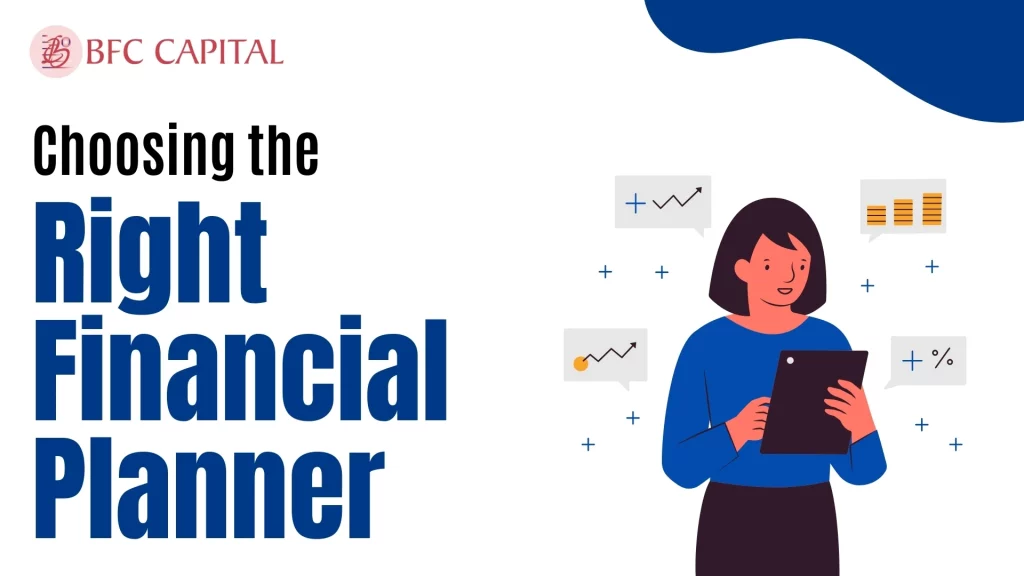
Honestly, investing without the help of professionals can be challenging. Especially when you are a beginner. That’s why people try to seek professional help; specifically, they want a certified financial planner or CFP. But how do you know which professional would be ideal for you? because it is not always about personality, credentials, and fees.
If you have ever searched for a good financial planner, you would find it more confusing. But let us assure you that you are on the correct page because here we will give you complete guidance about CFP, why the certification matters, and how you can choose one. So let’s begin,
CFP Full Form – How To Choose A Certified Financial Planner
What Is The Basic Role Of A Certified Financial Planner?
CFP is just like a financial GPS. No matter whether you are buying a home, planning for retirement, your kid’s college fund, or managing debt, identifying a good CFP will do it all.
They can provide tax guidance, help you manage risk and insurance, optimize strategies for your retirement, give you a comprehensive financial plan, help you invest wisely, etc.
Generally, every financial planner provides all the services, but the difference is that not every planner is a certified financial planner. The certification or designation is not an easy thing; it means the planner has completed rigorous education, passed significant examinations, has relevant work experience for years, and is aware of all the ethical standards. If you see a CFP before someone’s name, you can trust the person and their advice. It is just like the basic difference between a licensed architect and a general contractor.
Now, Let’s Get The Answer To How You Can Choose A CFP?
All the queries to might have regarding a certified financial planner will be resolved right below.
- Why Does The Certification Matter?
If you have been in the financial industry for a long time, then you would be aware of titles like wealth managers, financial planners, and advisors. But each of them has a specific responsibility. Here, anybody can technically use those titles, but to use them legally, one must earn the designation called CFP®. The reasons why the designation matters are,
- They are qualified, experienced, and up to date about ethics.
- They can legally act in your best interest.
- They follow a strict code of ethics.
- Understand Your Demand
Before hiring a professional, you need to know that not every CFP offers the same services. There is a specialisation in their academic career, so that some might specialize in retirement planning, and some are in other areas. Therefore, if you are hiring a financial planner, then consider asking yourself 3 questions,
- Whether you need help with budgeting, investments, or taxes?
- Do you need a virtual consultation or an in-person consultation?
- Do you need ongoing financial planning, or do you just need advice for one time?
When you know why you are hiring the professional, it will help you avoid wasting unnecessary time.
- Understand How They Are Getting Paid?
Whenever it is about hiring a CFP, money is a common focus for everyone. There are three ways a certified financial planner can get compensated,
- The most transparent model of payment is that they can charge a flat fee, a percentage of AUM (Asset Under Management), or they can ask for an hourly rate.
- They can get a commission by selling any financial products, like MF and insurance.
- The other way is fee-based, a mix of the previous options. But here you must understand where they are getting the incentives.
If you want confidence recommendations and unbiased advice, then always go for the fee-only option.
- Talk To CFPs
You can consider it an interview session with CFP. As it’s a matter of financial investment, you must be 100% sure about whose advice you are taking. Handle it as a job interview and ask a few questions like
- What types of service do you offer?
- How do you get compensated? Is it a commission? Fee-only? Or a mix?
- Ask about typical clients.
- Do you have any prior experience with clients in my situation?
- Ask to see some samples of financial plans.
- Understand their investment philosophy.
Always try to pay attention not only to their answers but also to how they are saying it. If you are consulting a good professional, they will make you understand things clearly, so choose genuinely. However, you can check reviews for many websites about the advisors and their firms.
- Check Their History
When it comes to investment, your every decision should be logical and confident. Before choosing someone, always verify they are certified from the CFP Board’s website, Google them to get genuine review, and last but not the least, check the disciplinary history.
Also, Check – What is inflation
Wrapping Up
When you hire a certified financial planner, it is all about your trust. So, while having the entire discussion, if something feels off, then always follow your instinct. Remember, a good CFP will always be qualified, transparent, and will always try to be aligned with your goals. So, start your research today and try to find the right person with whom you feel comfortable and grow periodically.
Please share your thoughts on this post by leaving a reply in the comments section. Contact us via Phone, WhatsApp, or Email to learn more about mutual funds, or visit our website. Alternatively, you can download the Prodigy Pro app to start investing today!
Disclaimer – This article is for educational purposes only and does not intend to substitute expert guidance. Mutual fund investments are subject to market risks. Please read the scheme-related document carefully before investing.