Mutual Fund Portfolio for Retirement
To plan for retirement may be something that is far off within the soul of a person preoccupied with work, bills, and weekend plans. The reality is that nobody wishes to be working in the 70s due to failures in planning. That brings in mutual funds.
If you are somewhere between 25 and 45 years old, creating a mutual fund portfolio can help you develop a robust retirement corpus. This blog focuses on how to achieve a combination of passive and active investing, wealth creation via capital gain, and generation of post-retirement incomes from annuities and dividends. We will also highlight why monitoring portfolios will be the secret behind longevity.
Why You Need a Retirement Corpus
To cover your basic needs after retirement, the corpus should cover basic living, medical care, emergencies, and even travel or hobbies. Making a healthy corpus is essential due to inflation and going up in age.
For example, ₹50,000/month today will become around ₹1.6 lakh/month after 20 years due to 6% inflation. To sustain that income for 20 years post-retirement, you may need a corpus of around ₹3.8–4 crore.
Steps to Build a Mutual Fund Portfolio for Retirement
- Start Early, Even with Small Amounts
- Be an investor with SIPs (Systematic Investment Plans) with as little as ₹500 onwards.
- The effect of compounding can grow a small amount into a large corpus over 20-30 years.
- E.g., ₹5000/month for 30 years with a 12% annual return becomes ₹1.76 crore.
- Understand Passive vs Active Investing
Active Investing:
- Active management of mutual funds whereby fund managers attempt to beat the market.
- Higher expense ratio but higher potential returns.
- This is suitable for people who are young and want capital appreciation.
Passive Investing:
- Index funds and ETFs that track a market index like the Nifty 50 or Sensex.
- Lower expense ratio, steady performance with less risk.
- Best for a more stable retirement corpus with lesser churn in the portfolio.
Balanced Note: Combining passive and active mutual funds for different purposes will always give more stability.
Also check – Active and Passive Investment
- Pick Appropriate Fund Types Based On Age
Ages 25–35 (Aggressive Growth Stage)
- Equity mutual funds: Focus on these (70-80% of portfolio)
- Small, mid- and large-cap funds for capital appreciation
- 20 to 30% debt funds for balance and liquidity
Ages 36–50 (Balanced Growth Stage):
- Slightly reduce equity exposure (to 60%)
- Add balanced advantage funds or hybrid mutual funds
- Increase debt fund allocation (to 40%) for stability
Age 50s+ (Preservation & Income Stage):
- Move to conservative hybrid or debt-oriented schemes
- Invest in annuities or dividend income schemes
- Protect capital and generate regular cash flow
- Important Mutual Fund Categories for Retirement
Equity Mutual Funds:
- Most suitable for long-term capital appreciation.
- Large-cap funds provide stability, while mid- and small-cap funds can provide growth.
Debt Mutual Funds:
- Ideal for capital protection with low volatility.
- Debt mutual funds carry lower volatility than equities but may still be exposed to interest rate and credit risks
Hybrid Funds:
- Balancing risk by combining equity and debt
- Dynamic asset allocation funds can change with market conditions.
Dividend Yield Funds:
- Yield regular dividends on retirement.
- Not top guaranteed, but helps with cash flow.
Retirement-Oriented Funds:
- For retirement purposes.
- The lock-in period (five years, generally) includes tax benefits under Section 80C.
- Look at Annuities After Retirement
- An annuity plan will give you a fixed sum of money either for life or for a predetermined period.
- This is ideal when you have retired and need a regular monthly cash flow.
- This portion of the mutual fund maturity amount can be used to buy annuities.
Payouts vary based on age and annuity type. For example, ₹30 lakh may fetch ₹17,000–20,000/month depending on the chosen plan
- Save Tax under Section 80C
- One can invest up to ₹1.5 lakh/year in ELSS (Equity Linked Savings Scheme) for saving taxes.
- Double benefit can be availed: wealth creation plus tax exemption under Section 80C.
- It has a lock-in period of three years, which makes it attractive for long-term investments.
Portfolio Monitoring: The Hidden Key to Unravelling Success
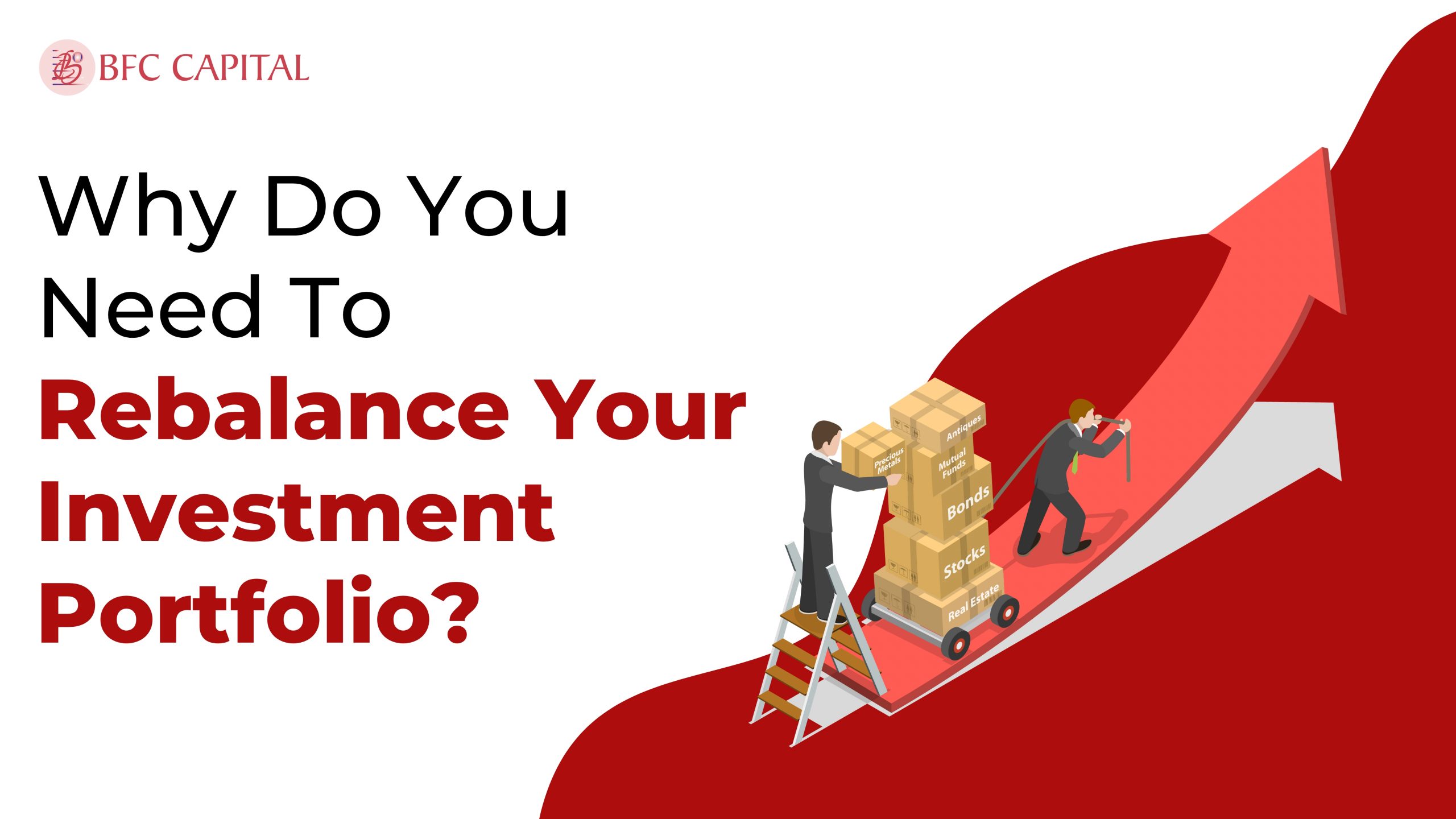
Mutual fund portfolios for retirement are never set and forget; they surely demand assessment regularly, at least once every year.
Things to consider when performing a review:
- Rebalance asset allocation (if equities become 75% when they should be 60%);
- Get rid of laggard funds;
- Respond to life events (job change, getting married, having kids, etc.);
- Check tax consequences of switching funds.
Tools for Portfolio Monitoring:
- CAMS/KFintech consolidated statements.
- Mutual fund tracking apps (Groww, ET Money, Kuvera).
- Financial advisor professionals.
Common Mistakes
- Starting too late.
- Not looking at debt funds or annuities.
- Overexposing oneself to risky mid/small-cap funds.
- Not looking at the portfolio.
- Chasing returns without a plan.
Conclusion
A well-categorised mutual fund portfolio will give you peace of mind in retirement. Mix equity for growth, debt for safety, hybrid for balance, add a pinch of regular Mutual Fund Portfolio monitoring, and you have made a formidable retirement corpus. Whether you are an active or passive investor, mutual funds have the flexibility and growth potential to help fulfill your retirement destiny.
Take action today, invest smartly, and let your money work for you.
To learn more about mutual funds, contact us via Phone, WhatsApp, Email, or visit our Website. Additionally, you can download the Prodigy Pro app to start investing today!
Alternatively, you can download the Prodigy Pro app to start investing today!
Disclaimer – This article is for educational purposes only and does not intend to substitute expert guidance. Mutual fund investments are subject to market risks. Please read the scheme-related document carefully before investing.